

+34 935 79 92 84
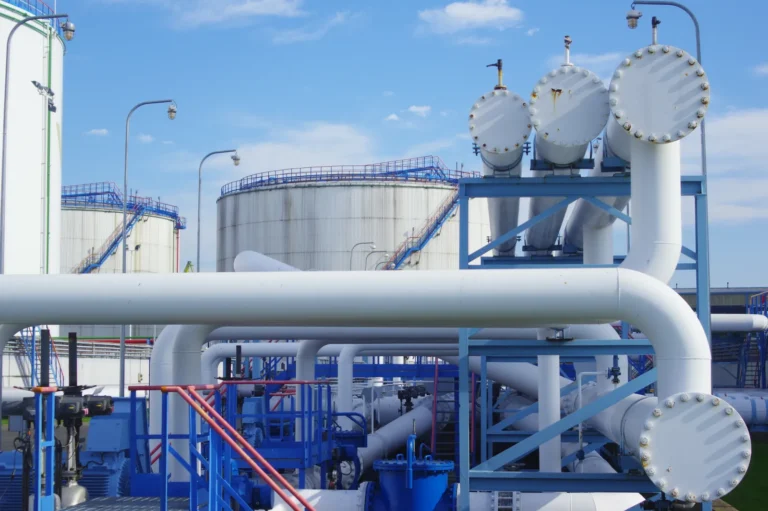
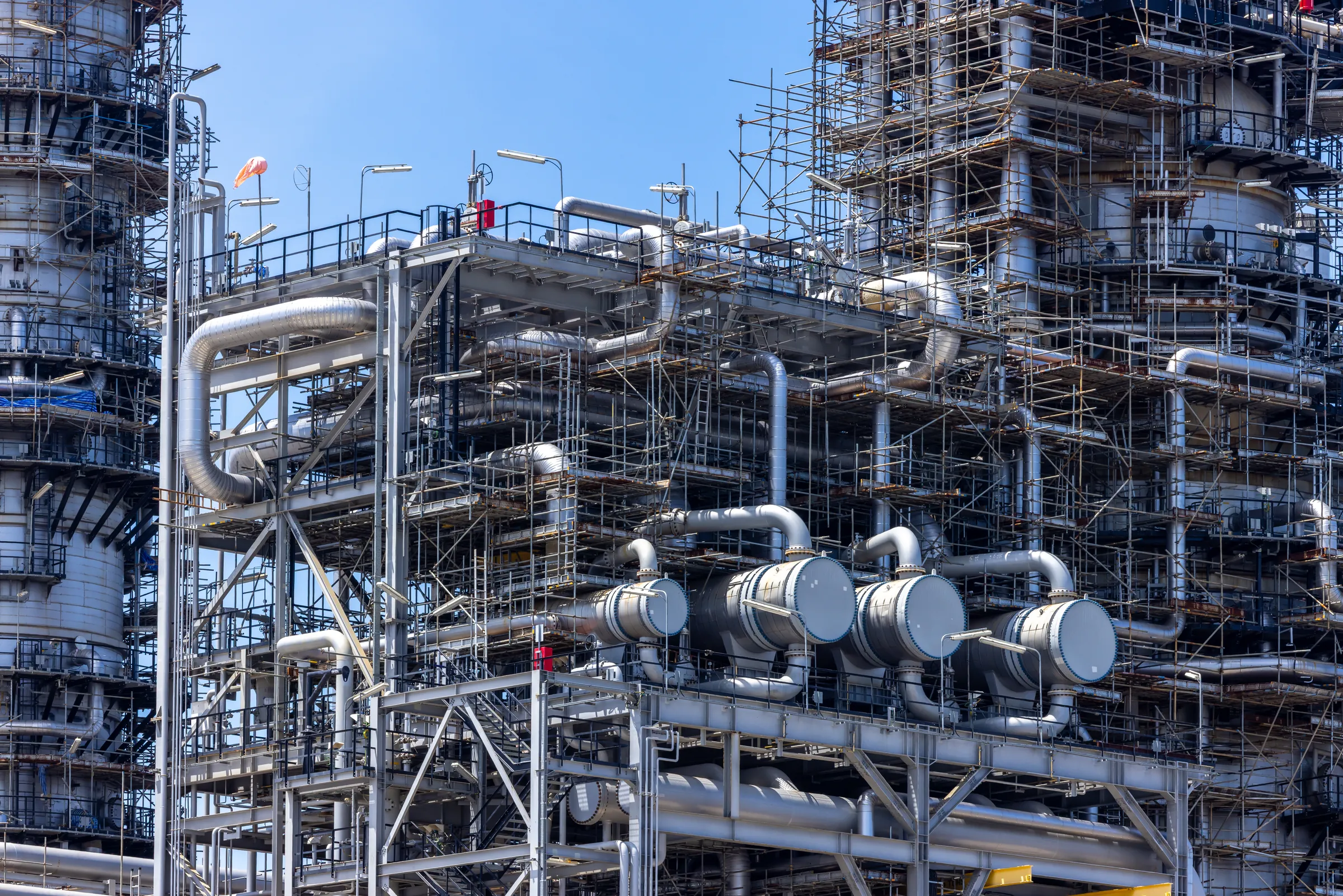
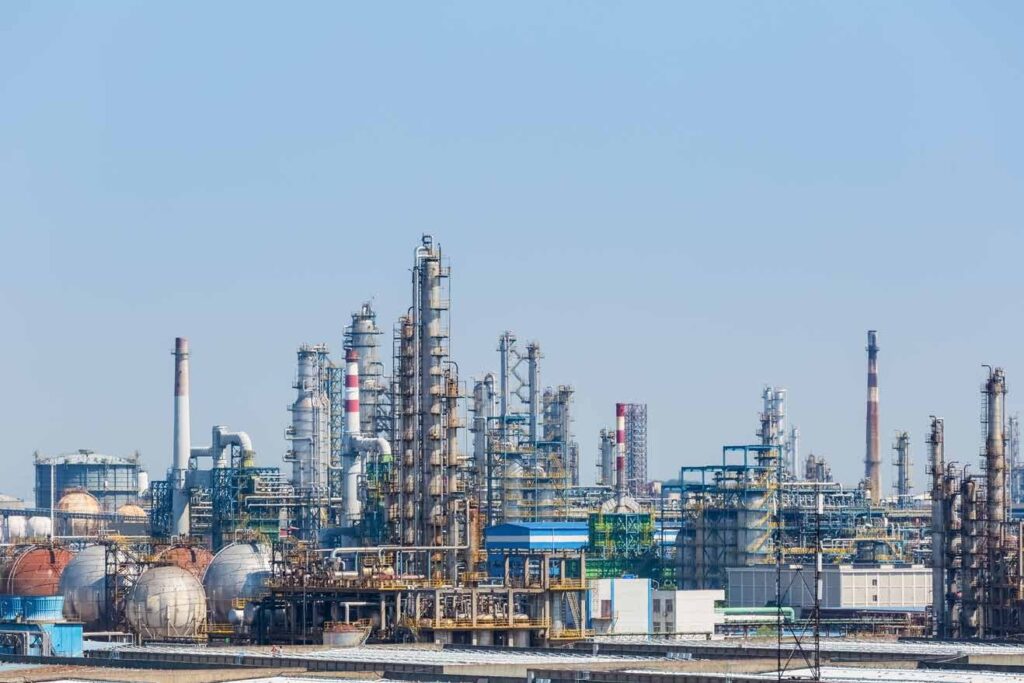
Petrochemical unit with pipe racks, heat exchangers and structure under a blue sky
CHEMICAL AND PETROCHEMICAL INDUSTRY

Process piping and valves for the chemical and petrochemical industry

We supply the chemical and petrochemical industry with pipe, valves and fittings in stainless steel, duplex and nickel alloys for aggressive fluids, high pressures and high temperatures.

With the alloy chosen to suit the fluid and documented back to the heat.
03Chemical and petrochemical

We supply the chemical and petrochemical industry with pipe, valves and fittings in stainless steel, duplex and nickel alloys for aggressive fluids, high pressures and high temperatures.

With the alloy chosen to suit the fluid and documented back to the heat.

ATEX
NACE MR0175
ASME B31.3
PIPING AND VALVES FOR CHEMICAL PROCESSES

What a chemical plant demands of its pipework materials

In the chemical industry, we are often asked whether 316L is enough for the pipework or whether Hastelloy is needed.

The answer lies in the fluid: which acid it is, its concentration and operating temperature, and what it carries with it. Even within the same alloy family, the difference is large. In a US Department of Energy test with hydrochloric acid and 700 ppm of ferric ions, Hastelloy C-276 corroded 14 times faster than C-22.

That is why the material is specified using actual process data, before the order is placed.

The wrong grade can force a line shutdown to replace sections earlier than planned, with the cost of replacing such expensive material on top of the lost production.
DISTRIBUTOR FOR THE CHEMICAL AND PETROCHEMICAL INDUSTRY

Corrosion-resistant alloys, supplied with their documentation

Special alloys

Hastelloy, Inconel, Monel, duplex and super duplex, as well as 304L, 316L, 321 and 316Ti stainless steels.

Complete process piping

ASTM and DIN pipe, ASME B16.5 and DIN flanges, ASME B16.11 forged fittings, and gaskets and bolting to ASTM and DIN.

Traceability back to the heat

EN 10204 3.1 certificate per heat, including special alloys.

Grade chosen for the fluid

We review concentration, actual operating temperature, oxidants and the materials in the rest of the system.

Standards
ATEX
NACE MR0175
ASME B31.3
Certificate search
CHEMICAL PROCESSES: APPLICATIONS

Where our material is used in a chemical plant

01

Acid and corrosive fluid lines

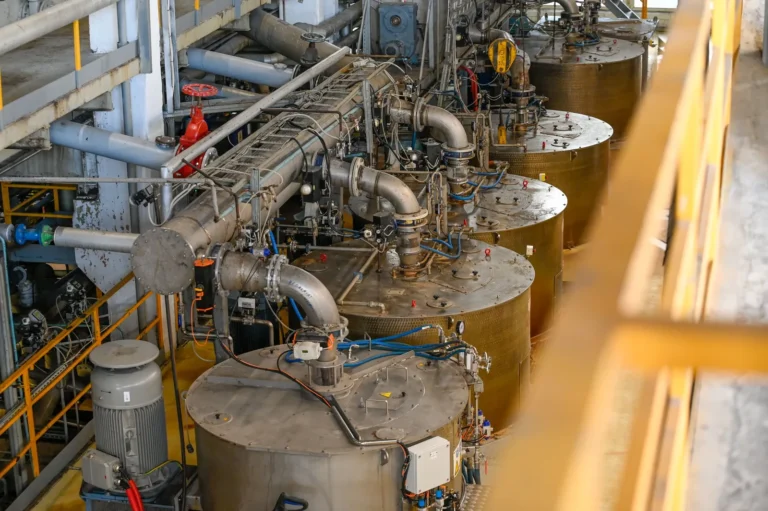
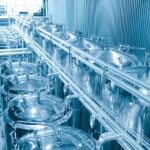
Agitated tanks connected by metal pipework and valves in a chemical plant
02

Heat exchangers and condensers

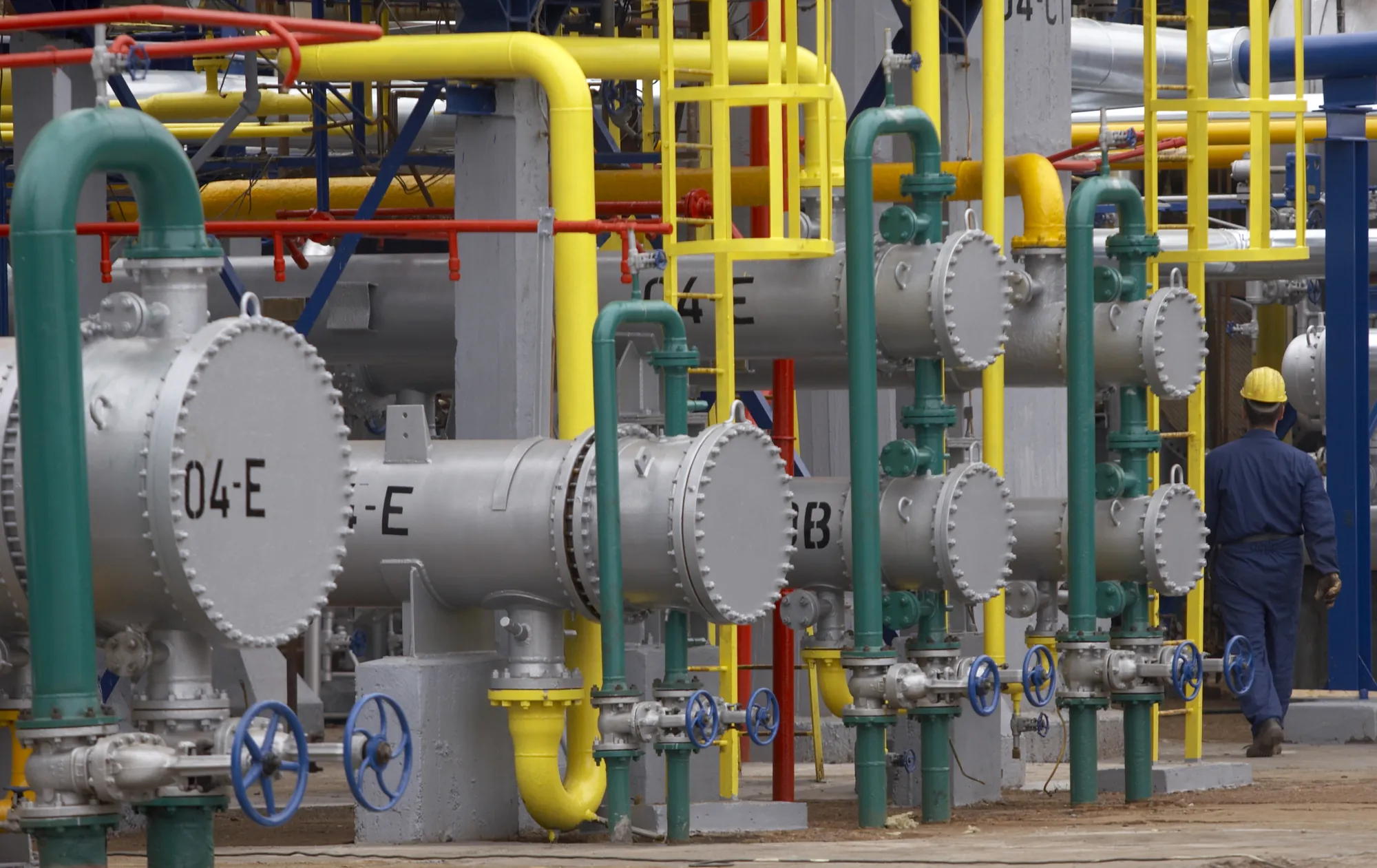
Outdoor shell and tube heat exchangers with their heads exposed
03

High-pressure and high-temperature lines
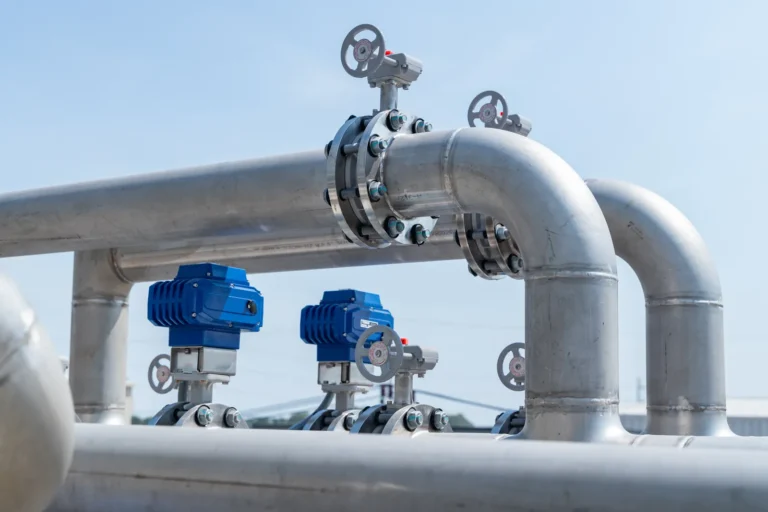
Stainless steel pipework with flanges, handwheel valves and actuators in an outdoor installation
04

Reactor and tank connections

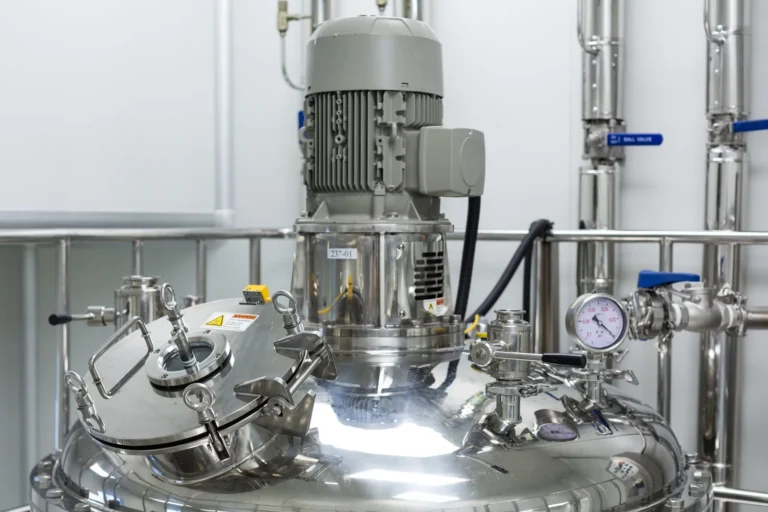
Top of a stainless steel reactor with agitator, manway, nozzles and valves
05

Replacing pipe sections during maintenance
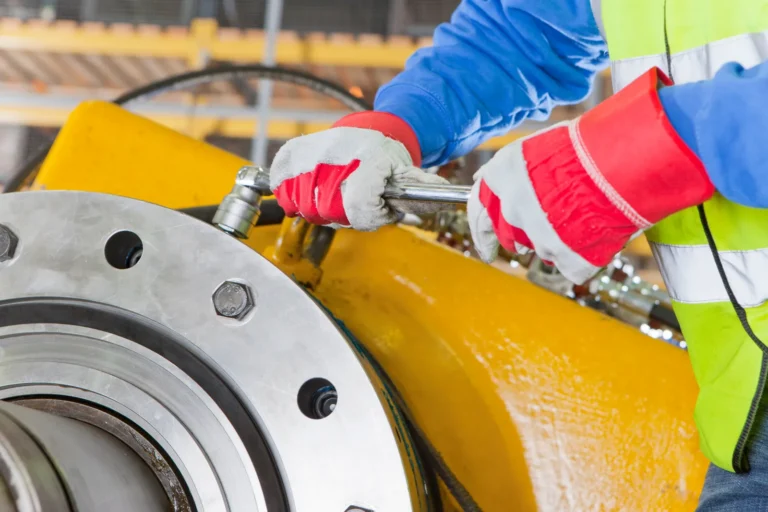
Gloved hands tightening the bolts of a flanged joint
Technical advice

What does your process need?

We help you make the right choice.

Before you ask for a quote, we talk through your process: fluid, temperature, pressure and the applicable standards…

Sometimes the right item is not the one you were looking for.
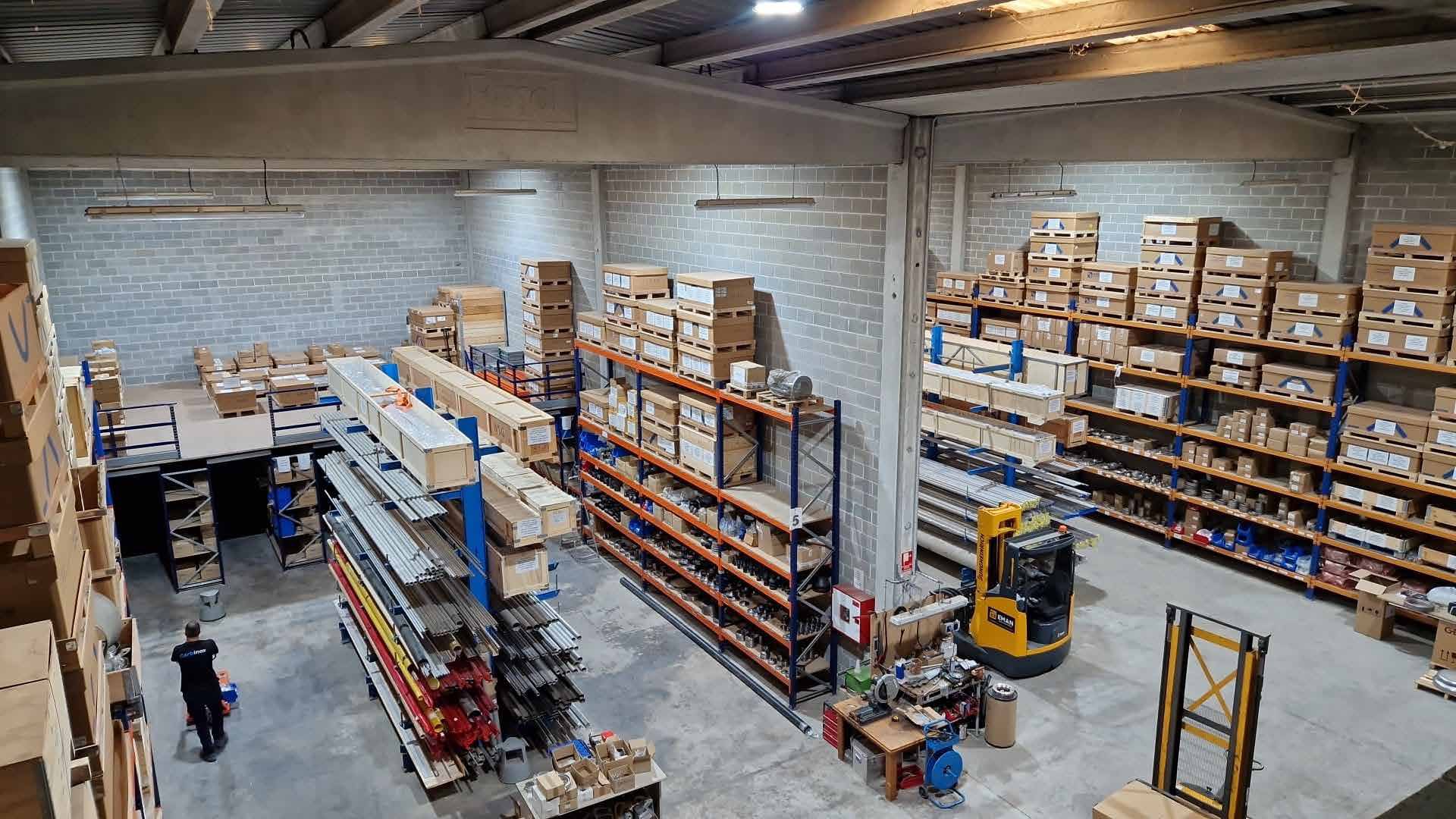
Technical warehouse with racks of pipe, valves and industrial material
Xavi Collado, Carbinox Serveis
FAQs

Common questions in chemical projects

It depends on the alloy, the format and the quantity, so we give you the exact lead time with our quotation. We work with duplex 2205, super duplex 2507, 254 SMO, 904L, Hastelloy C-22 and C-276 and Inconel, and with other alloys on request. Anything we do not hold in stock we order from the manufacturer. If the project is urgent, let us know when you request the quotation.

Pipework and manual valves do not. According to the European Commission guidelines on Directive 2014/34/EU, they have no ignition source of their own and fall outside its scope. Equipment that does have one is covered, such as the electric actuator on an automated valve. In a hazardous area the risk of electrostatic charges still has to be assessed, and we review it with you when we define the material.

Yes, when your specification calls for it. NACE MR0175/ISO 15156 sets out how to select materials for H2S-containing environments in oil and gas production. The standard itself points out that it is not necessarily applicable to refining or downstream processes, where the specific standard is NACE MR0103/ISO 17945. Before you place the order, we check which of the two your project requires.

It depends on the fluid. With hydrochloric acid, in our experience the answer is almost always Hastelloy. Within that family, C-276 has better resistance to hot pure acid, and C-22 to acid that carries oxidants such as ferric or cupric salts. Before we propose the grade, we review the actual operating temperature and the materials in the rest of the system, because if the acid attacks steel or copper parts and oxygen gets in, those oxidants can form inside the installation itself.

Yes. Every order is shipped with the EN 10204 3.1 certificate and heat number traceability. You can find it with our certificate search tool using the heat number, or the customer name and delivery note number, and if you need it for an audit a few years from now, we will send it to you.

With the following information we can propose the material and prepare your quotation: the fluid and its concentration, the operating temperature and pressure, the material you have now and how long it has lasted, the pipe diameter and wall thickness, the type of joint (flanged, welded or threaded) and, if possible, a photo of the damaged part. Send it to us through the contact form with the subject "Urgent supply" and attach the photo or the drawing. If the leak recurs, we also review the rest of the system, because sometimes the problem is not only in the section that fails.